Το πρόβλημα που συναντήθηκε στον ιστότοπο
Το πρόβλημα δεν προήλθε από την υποδομή οπτικών ινών ή το επίπεδο μεταγωγής.
Αντίθετα, οι βλάβες συνδέονταν με τις ίδιες τις συσκευές ασφαλείας.
Κατά τη διάρκεια ενός περιστατικού, μια συσκευή τείχους προστασίας δεν ανταποκρίνεται μετά από μια προσπάθεια αναβάθμισης υλικολογισμικού.
Αν και η συσκευή είχε ακόμα ρεύμα, η προώθηση της κυκλοφορίας σταμάτησε εντελώς.
Ως αποτέλεσμα:
- Οι ροές βίντεο παρακολούθησης αποσυνδέθηκαν
- Τα συστήματα απομακρυσμένης παρακολούθησης έχασαν την επικοινωνία
- Αρκετά τερματικά παρακολούθησης παραγωγής τέθηκαν εκτός σύνδεσης
- Η ομάδα συντήρησης δεν μπορούσε πλέον να έχει απομακρυσμένη πρόσβαση σε συσκευές πεδίου
Από την πλευρά του πελάτη, το πιο ανησυχητικό ζήτημα ήταν ότι το ίδιο το φυσικό δίκτυο παρέμενε λειτουργικό, ωστόσο η κίνηση δεν μπορούσε πλέον να διέρχεται από το επίπεδο ασφαλείας.
Το τείχος προστασίας είχε γίνει ακούσια ένα μόνο σημείο αποτυχίας.
Γιατί η παραδοσιακή απόλυση δεν ήταν αρκετή;
Το εργοστασιακό δίκτυο περιλάμβανε ήδη αρκετούς μηχανισμούς απόλυσης:
Ωστόσο, αυτές οι προστασίες κάλυπταν μόνο τον πλεονασμό σύνδεσης και ισχύος.
Δεν έλυσαν το πρόβλημα μιας ενσωματωμένης συσκευής που σταμάτησε την προώθηση της κυκλοφορίας.
Ο πελάτης συνειδητοποίησε ότι ακόμη και ένα εξαιρετικά πλεονάζον βιομηχανικό δίκτυο θα μπορούσε να αντιμετωπίσει μια πλήρη διακοπή επικοινωνίας εάν αποτύχει μια μεμονωμένη ενσωματωμένη συσκευή.
Αυτό έγινε ιδιαίτερα προβληματικό για:
- 24/7 περιβάλλοντα παραγωγής
- Συστήματα απομακρυσμένης παρακολούθησης
- Δίκτυα βιομηχανικής ασφάλειας
- Εφαρμογές επιτήρησης σε πραγματικό χρόνο
Ο πελάτης χρειαζόταν μια λύση που θα μπορούσε να διατηρήσει τη συνδεσιμότητα δικτύου ακόμη και όταν η ίδια η συσκευή ασφαλείας απέτυχε.
Αξιολόγηση Πιθανών Λύσεων
Κατά τη διαδικασία αντιμετώπισης προβλημάτων εξετάστηκαν διάφορες προσεγγίσεις.
Αρχικά συζητήθηκαν μηχανισμοί failover που βασίζονται σε λογισμικό, όπως:
- Ομαδοποίηση τείχους προστασίας HA
- Αποτυχία δυναμικής δρομολόγησης
- Λογισμικό παρακολούθησης καρδιακών παλμών
Ωστόσο, η ομάδα μηχανικών του πελάτη εντόπισε αρκετές ανησυχίες:
- Τα συστήματα που βασίζονται σε λογισμικό εξακολουθούν να εξαρτώνται από τη σωστή λειτουργία της συσκευής
- Η πολυπλοκότητα της διαμόρφωσης αυξήθηκε σημαντικά
- Η συμπεριφορά ανάκτησης κατά τις συνθήκες παγώματος του συστήματος ήταν απρόβλεπτη
- Τα παράθυρα συντήρησης παρέμειναν δύσκολα
Ο πελάτης αποφάσισε τελικά ότι ο μηχανισμός ανακατεύθυνσης έπρεπε να λειτουργεί ανεξάρτητα από την ίδια τη συσκευή ασφαλείας.
Η ανάπτυξη περιελάμβανε και τα δύο:
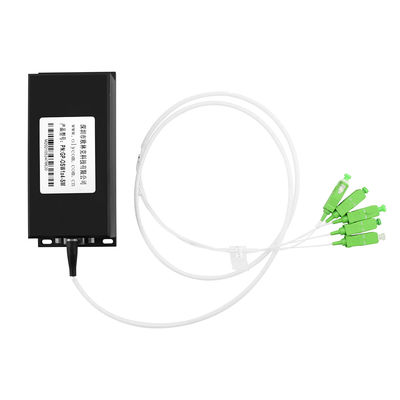
- Αυτόνομες μονάδες παράκαμψης για υπάρχουσες συσκευές ασφαλείας
- Ενσωματωμένα μοντέλα παράκαμψης για νέα βιομηχανικά ερμάρια
Ο στόχος ήταν ξεκάθαρος: Βεβαιωθείτε ότι η κυκλοφορία μπορεί να συνεχίσει να ρέει ακόμα και αν η ενσωματωμένη συσκευή ασφαλείας σταματήσει να λειτουργεί.
Πώς λειτούργησε η λύση παράκαμψης OLYCOM;
- Βιομηχανικοί διακόπτες πυρήνα
- Τείχος προστασίας και συσκευές IDS
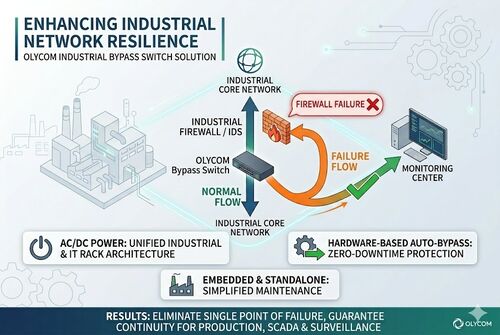
Υπό κανονική λειτουργία: Η κυκλοφορία διήλθε μέσω των ενσωματωμένων συσκευών ασφαλείας για έλεγχο
Εάν η συσκευή παρουσίασε:
- Απώλεια ισχύος
- Αποτυχία υλικολογισμικού
- Δυσλειτουργία υλικού
- Πάγωμα του συστήματος
ο διακόπτης παράκαμψης ανακατεύθυνε αυτόματα την κυκλοφορία γύρω από τη συσκευή που απέτυχε.
Το πιο σημαντικό, η λογική εναλλαγής βασιζόταν σε υλικό και όχι ελεγχόμενη από λογισμικό.
Αυτό σήμαινε:
- Καμία εξάρτηση από το λειτουργικό σύστημα της συσκευής
- Δεν απαιτείται εξωτερικός ελεγκτής
- Δεν υπάρχει καθυστέρηση σύγκλισης πρωτοκόλλου δρομολόγησης
- Καμία χειροκίνητη παρέμβαση κατά τη διάρκεια συμβάντων αποτυχίας
Από την πλευρά του πελάτη, αυτό βελτίωσε σημαντικά τη λειτουργική εμπιστοσύνη.
Γιατί ήταν σημαντικός ο σχεδιασμός της ενσωματωμένης παράκαμψης;
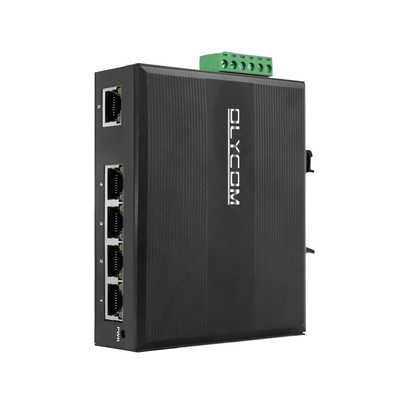
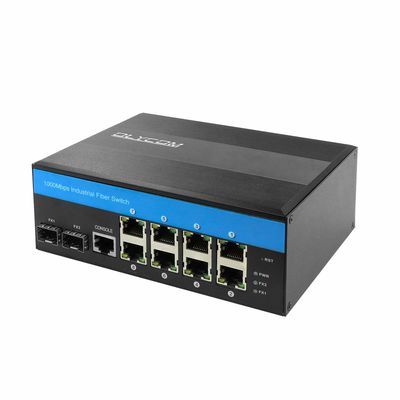
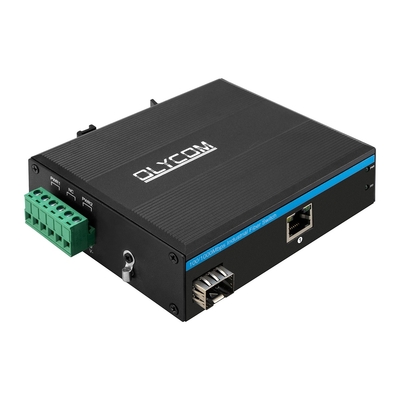
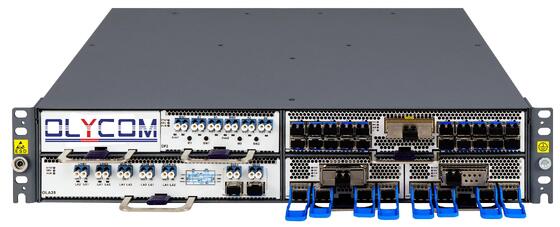
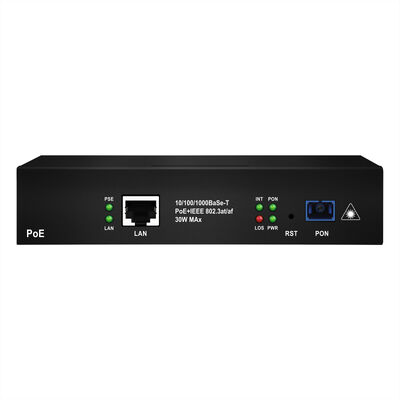
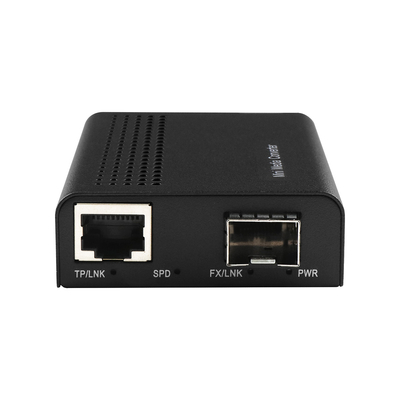
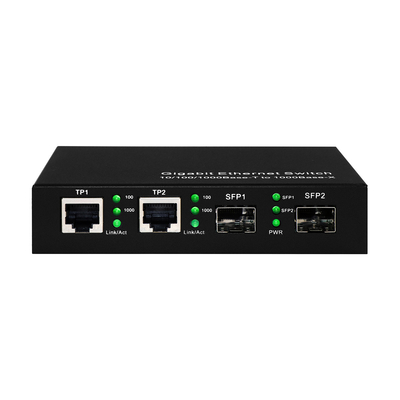
Για βιομηχανικούς θαλάμους παρακολούθησης που αναπτύχθηκαν πρόσφατα, ο πελάτης προτίμησε τους ενσωματωμένους διακόπτες παράκαμψης OLYCOM αντί να προσθέσει ξεχωριστές εξωτερικές μονάδες παράκαμψης.
Αυτό παρείχε αρκετά πρακτικά πλεονεκτήματα.
Ο ενσωματωμένος σχεδιασμός μείωσε:
- Χρήση χώρου ντουλαπιών
- Πολυπλοκότητα καλωδίωσης
- Απαιτήσεις μετασχηματιστή ρεύματος
- Πρόσθετα σημεία αστοχίας
Η ομάδα μηχανικών σημείωσε επίσης ότι λιγότερες αυτόνομες συσκευές απλοποίησαν τη μακροχρόνια συντήρηση.
Σε υπαίθριες και μη επανδρωμένες βιομηχανικές εγκαταστάσεις, η μείωση της πολυπλοκότητας του συστήματος θεωρήθηκε σημαντικό λειτουργικό όφελος.
Υποστήριξη Περιβάλλοντος Βιομηχανικού και Χώρου Ελέγχου
Ένας άλλος παράγοντας που επηρέασε την απόφαση του πελάτη ήταν η διαθεσιμότητα μοντέλων παράκαμψης AC και DC.
Μοντέλα ACείσαι εσύsed κυρίως μέσα:
- Αίθουσες κέντρου δεδομένων
- Κέντρα ελέγχου ασφαλείας
- Ράφια εξοπλισμού πληροφορικής
Τα βιομηχανικά μοντέλα DC είναι κυρίωςεφαρμοσμένοςσε:
- Εργοστασιακά ντουλάπια δαπέδου
- Βιομηχανικοί κόμβοι ακμών
- Εξωτερικοί σταθμοί παρακολούθησης
Αυτό επέτρεψε στον πελάτη να τυποποιήσει την προστασία παράκαμψης σε πολλά περιβάλλοντα χρησιμοποιώντας μια ενοποιημένη αρχιτεκτονική.
Αποτελέσματα μετά την ανάπτυξη
Αρκετούς μήνες μετά την ανάπτυξη της λύσης παράκαμψης OLYCOM, ο πελάτης ανέφερε σημαντικές λειτουργικές βελτιώσεις.
Βελτιωμένη διαθεσιμότητα δικτύου
Το δίκτυο παρέμεινε λειτουργικό κατά τη διάρκεια πολλών συμβάντων επανεκκίνησης και συντήρησης της συσκευής που προηγουμένως θα προκαλούσαν διακοπή της υπηρεσίας.
Απλοποιημένη Συντήρηση
Οι αναβαθμίσεις υλικολογισμικού τείχους προστασίας μπορούν πλέον να πραγματοποιούνται χωρίς να απαιτείται πλήρης τερματισμός λειτουργίας του δικτύου.
Μειωμένος Λειτουργικός Κίνδυνος
Ο πελάτης εξάλειψε ένα σημαντικό μεμονωμένο σημείο αστοχίας εντός της αρχιτεκτονικής βιομηχανικής ασφάλειας.
Χαμηλότερη πολυπλοκότητα συντήρησης
Τα ενσωματωμένα μοντέλα παράκαμψης μείωσαν την πολυπλοκότητα του ντουλαπιού και βελτίωσαν τη συντήρηση του πεδίου.
Μεγαλύτερη εμπιστοσύνη στην ανάπτυξη ενσωματωμένης ασφάλειας
Η ομάδα μηχανικών έγινε πιο άνετη με την ανάπτυξη προηγμένων συστημάτων επιθεώρησης ασφαλείας επειδή η προστασία παράκαμψης μείωσε τους σχετικούς λειτουργικούς κινδύνους.
Σύναψη
Στα βιομηχανικά δίκτυα, ο πλεονασμός στο επίπεδο οπτικών ινών και μεταγωγής δεν είναι πάντα αρκετός μόνο.
Οι ενσωματωμένες συσκευές όπως τα τείχη προστασίας και τα συστήματα IDS/IPS μπορούν ακόμα να γίνουν κρίσιμα σημεία αστοχίας ικανά να διακόψουν ολόκληρη τη διαδρομή επικοινωνίας.
Για αυτό το κατασκευαστικό έργο, οι βιομηχανικοί διακόπτες παράκαμψης OLYCOM παρείχαν μια αποτελεσματική μέθοδο για τη διατήρηση της συνέχειας του δικτύου κατά τη διάρκεια αστοχιών, αναβαθμίσεων και εργασιών συντήρησης συσκευών.
Συνδυάζοντας:
- Αυτόματη παράκαμψη με βάση το υλικό
- Προστασία μηδενικής διακοπής λειτουργίας
- Ενσωματωμένη και αυτόνομη ευελιξία ανάπτυξης
- Επιλογές ισχύος AC/DC
- Βιομηχανική αξιοπιστία
ο πελάτης βελτίωσε με επιτυχία την ανθεκτικότητα της βιομηχανικής του υποδομής κυβερνοασφάλειας χωρίς να αυξάνει τη λειτουργική πολυπλοκότητα.
Σήμερα, ο πελάτης έχει τυποποιήσει την προστασία bypass σε πρόσθετα εργοστασιακά έργα και έργα επιτήρησης ως μέρος της μακροπρόθεσμης στρατηγικής αξιοπιστίας του δικτύου του.


 Το μήνυμά σας πρέπει να αποτελείται από 20-3.000 χαρακτήρες!